The seven noses of Soho: a guide to where to find each of them
a guide to where to find them on the map, and to who actually put them there
There are plaster noses stuck to walls around central London, at about head height, painted or weathered into whatever they are attached to. The seven noses of Soho are the best known of them, and almost everything popularly said about them is wrong: not who made them, not when, not why, and not the number. This guide sets out where to find each one, and separates what is documented from what grew up around it.
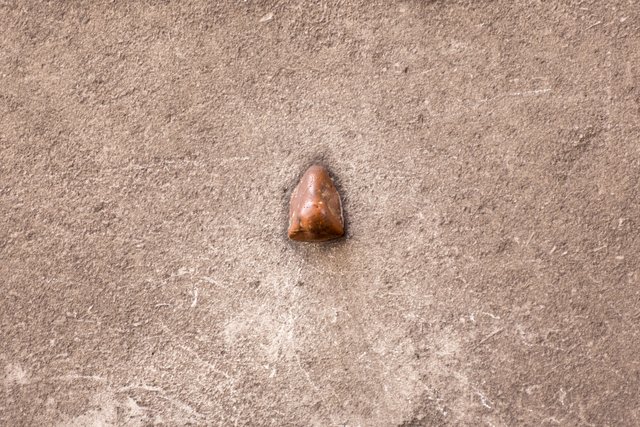
Where to find the seven noses of Soho
Street, postcode district and nearest station for each. Two of the canonical seven are not in Soho, which is worth knowing before setting out: Admiralty Arch is off Trafalgar Square and Endell Street is Covent Garden. Anyone following a list that calls all seven Soho will spend a while looking in the wrong grid of streets.
| Where | District | Nearest station | What to look for |
|---|---|---|---|
| Admiralty Arch not Soho | WC2 | Charing Cross | Inside the northern arch, on the granite pier at about shoulder height. The best known of the set and the one furthest from Soho. |
| Meard Street | W1 | Tottenham Court Road | On the brickwork of a narrow eighteenth-century street between Dean Street and Wardour Street. |
| Great Windmill Street | W1 | Piccadilly Circus | South of Brewer Street, on a wall above the pavement. |
| Bateman Street | W1 | Tottenham Court Road | A short street running east from Frith Street. |
| Dean Street | W1 | Tottenham Court Road | One of Soho's long north-south streets; the nose is easy to walk past. |
| D'Arblay Street | W1 | Oxford Circus | North of Broadwick Street, in the quieter part of the grid. |
| Endell Street not Soho | WC2 | Covent Garden | The other outlier: Endell Street is Covent Garden, not Soho. |
The map, and why it is only roughly seven
Any map of these is provisional. Rick Buckley put up about 35 noses in 1997, on buildings including the National Gallery and Tate Britain; by 2011 roughly ten were left. Plaster on an outside wall in a city that repaints, repoints and redevelops does not last, so the count has been falling since the day they went up. Seven is the number the story settled on, and the map below is the seven that are conventionally named rather than a survey of what survives this month.
Read as a route rather than a map, the cluster is small. Five of the seven sit inside the Soho grid within a few hundred metres of each other, which makes them an hour on foot at most. The two outliers are a separate errand: Endell Street on the way to Covent Garden, Admiralty Arch at the bottom of the Mall.
Knowing where to find the seven noses of Soho is most of the difficulty, because there is nothing to mark any of them. No plaque, no label, no sign that anything has been added to the wall. The table above is the whole trick: get to the street, then look up rather than along.
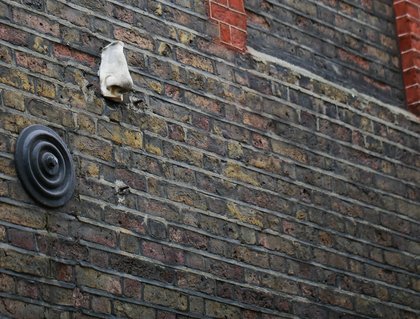
Who put them there
Rick Buckley, an artist, in 1997. He cast his own nose in plaster of Paris and fixed the copies to buildings around central London as a protest against the spread of CCTV cameras, working in the tradition of the Situationists and placing the noses, quite deliberately, under the noses of the cameras. He did not publicise it. That single decision is why the folklore exists: an unexplained nose on a public building invites an explanation, and London supplied several. Buckley only identified himself as the artist in 2011.
What this guide leaves as folklore
Two stories attach themselves to the set and neither is true. The first is that the nose inside Admiralty Arch mocks Napoleon, and that cavalry troopers riding through from Horse Guards Parade would tweak it as they passed. The second is that anyone who finds all seven noses of Soho comes into a fortune. Both are inventions that filled the gap left by an unpublicised prank, and both are more widely repeated than the actual account.
Neither story is worth suppressing, which is why this guide records them and labels them. They are part of how the city talks about the things it cannot explain, and the reason people go looking in the first place. They are simply not what happened.
Questions about the noses
Are there really seven?
Not exactly. Rick Buckley installed roughly 35 noses across London in 1997, on buildings including the National Gallery and Tate Britain, and by 2011 about ten survived. Seven is the number the story settled on, not a count anyone made. The list on this page is the seven that are conventionally named, and two of them are not in Soho at all.
Is the Admiralty Arch nose really Napoleon's?
No. The story that it mocks Napoleon, and that cavalry troopers riding through from Horse Guards would tweak it as they passed, is folklore. It grew because the installation was never publicised, so people invented explanations for a nose appearing on a public building. It is one of Buckley's casts, like the others.
Does finding all of them bring you a fortune?
That is the other myth: that anyone who spots all seven will come into great wealth. It belongs to the same family of invented explanations. It is a good reason for a walk and no reason at all to expect a windfall.
How do you spot one?
Look at wall height rather than at doorways or plaques. They are life-size casts of a human nose in plaster, painted or weathered into the colour of whatever they are stuck to, and they sit at roughly head height. Most people walk under them for years without noticing, which was the intention.
Elsewhere on this site: other London oddities, and the guide to London statues.